Site-specific art installations by Bezalel students transform downtown Jerusalem's bars
Over the course of two weeks in mid-May, high art and nightlife converge in downtown Jerusalem. The city center's coolest alternative pubs are collectively being transformed into an art gallery journey, featuring video and photographic creations, under the auspices of "Night Cruise," an initiative spearheaded by the Bezalel Academy of Arts and Design.
The Cruise, which runs from May 12th through May 26th, begins at the Bezalel building on Mount Scopus, with work by Lior Goldart. From there, the action moves downtown, where a total of 16 venues include Scottish pub Glasgow and funky local haunt Tuvya, as well as the Babette waffle bar, comic shop/performance space Uganda, guitar rock-favoring Blaze Bar, the soup-bar Marakiya, underground DJ haven Sira, the Birman jazz house, retro-themed HaCasseta and its twin Hataklit.
"We wanted to take students' work that is usually displayed in Bezalel and bring it to the city," explains Chen Valiano, one of three artist-curators who has collaborated on the Night Cruise concept.
Originally founded in the center of Jerusalem but having relocated to Scopus by 1990, the Bezalel Academy has been becoming more and more active downtown in recent months. Plans are moving ahead to move the campus back to the center, the school operates a new satellite gallery space downtown, there's now the thriving weekly Bezalel Fair, and the student union of the school now regularly plans its once exclusive parties in collaboration with student organizations from other institutions and with the municipal government.
Valiano, whose video production has been installed at Hakatze, tells GoJerusalem.com that the concept for the initiative came together somewhat out of the blue. "Three of us who study together were in town one day when Yuval [Azili, whose work is featured at Stardust,] came up with the idea of making TV in the street," she says. "The idea didn't start as a nightlife idea, but it sort of developed from there."
Once the bar installation element was born, the Night Cruise began to take shape. "The pub owners almost all immediately agreed to do it, because it benefits them too," Valiano says. "Once we decided to make the event a nightlife event [rather than just installing art in daytime downtown Jerusalem], everything went smoothly from there. The biggest challenge was how to relate to the commercial real estate downtown - how to involve venues in the exhibit without making it too commercial. By turning it into a Night Cruise, it went much smoother."
With a dedicated, numbered route and a map to guide urban explorers through the Night Cruise experience, although each installation represents an artistic world unto itself, the project has indeed been organized somewhat holistically, and many of the works were paired with venues according to thematic or other types of kinship.
"We tried to connect works to places - with quieter works in quieter places, places where people sit and eat, and louder works in louder places," says Valiano. "One artist, Shay Mizrachi, had pictures of Tel Aviv - so we set him up in the Tel Aviv pub. It's Tel Aviv and Jerusalem in Tel Aviv, as if the two cities were in conversation."
2000+ tips and recommendations
Alright, we'll be the first to admit it. Jerusalem's often chilly and often damp winters don't exactly exude...
In a region known for being one of the first in which early humans settled after leaving Africa, and in a city populated...
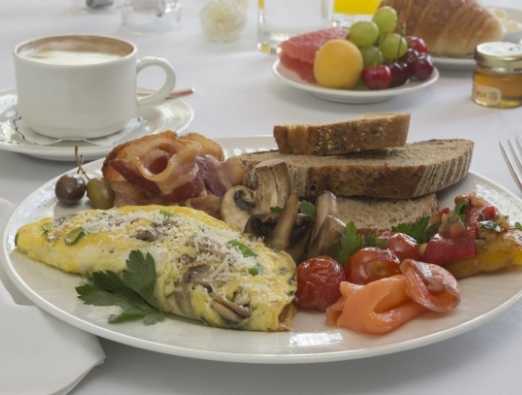
Looking for a place to begin your morning in luxury and style? Look no further than the American Colony Hotel, which offers...
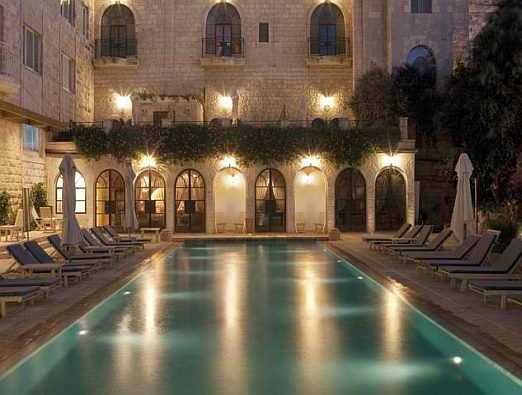
Jerusalem, the city where kings ruled and sultans sat is no stranger to luxury. Today, even the visiting yeoman can find...
Jewish tradition holds that in the times of the First and Second Temples, all the Jewish people would gather in Jerusalem...
Technically, it's possible to visit Jerusalem without going to the Old City, but it would be hard to say you'd...
Looking for a place to begin your morning in luxury and style? Look no further than the American Colony Hotel, which offers...
The faithful may rhapsodize about the spiritual highs to be reached in the Old City; culture cognoscenti groove on the...
Once upon a time, options for eating out in Jerusalem were limited to local common phenomena such as falafel and schwarma,...
No results to show








|
Text text text
|
||