The Museum of Islamic Art's new Embroidered Dreams exhibit reveals the fabric of Ottoman life
This event has ended
Click here to view this week top events >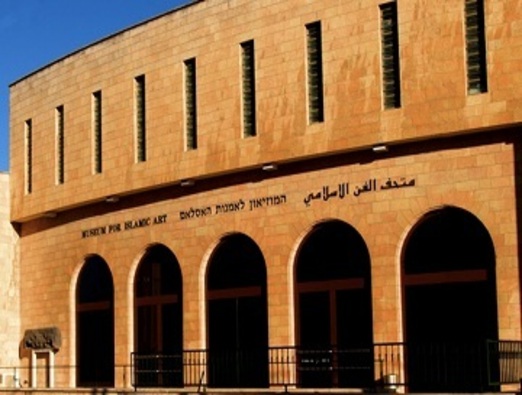
While knitting has enjoyed something of a contemporary renaissance among the hipster set, as a mainstream art form, embroidery remains firmly stuck in the Middle Ages, a time when no castle, harem or casbah was complete without one. The Museum of Islamic Art, which has perfected the craft of creating exhibits that capture the history of life in the Middle East, has compiled a compelling exhibit of embroideries dating back to the Ottoman Empire for its latest offering, Embroidered Dreams. With pieces acquired from as far afield as Greece and North Africa, where the empire stretched in its headiest of days, the exhibit presents a survey of what women did, and how they thought of themselves, during that time.
Much of the exhibit focuses on what are known as "luxury towels," though the name is something of a misnomer. These towels were used more for decoration than drying off and often include ornate designs and embellishments which took a bit more skill to make than today's factory created towels with flying dolphins and oversized tool sets.
According to the museum's Rachel Hasson, who served as curator and artistic director for this collection, these luxury towels were often included as part of a dowry. "It's really beautiful," she explains to GoJerusalem.com of the phenomenon. "To prepare for her dowry, [the Ottoman bride] would show off the pieces, to show off the ability of the bride or the possibilities. Every bride had to have in her dowry embroidered pieces."
Many of the pieces feature floral patterns, but some stand out, especially, according to Hasson, those with garden motifs and architectural design elements. Even the ones that do follow the traditional patterns are special, she says, as "no two pieces are the same."
In addition, there are some pieces that show scenes of women embroidering, creating an embroidery-within-an-embroidery effect. Scenes like that reflect an "embroider what you know" mindset on the part of the artisan, as embroidery was a favorite female pastime 600 years ago, especially for women whose only other jobs were to sit around in harems, or royal courts, and look pretty.
"Embroidery and textiles were highly regarded for many generations," Hasson says. "Now everything has changed. Women are not sitting around and it's not a pastime anymore. It is something that has disappeared from this world. It doesn't have the same value as it used to have" - which makes documenting embroidery's place in the old culture, through initiatives like this exhibition, all the more significant.
2000+ tips and recommendations
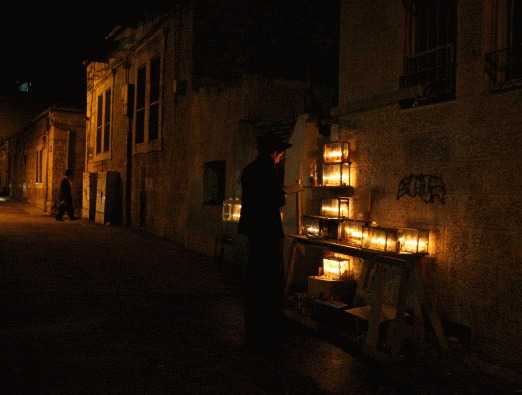
Alright, we'll be the first to admit it. Jerusalem's often chilly and often damp winters don't exactly exude...

In a region known for being one of the first in which early humans settled after leaving Africa, and in a city populated...
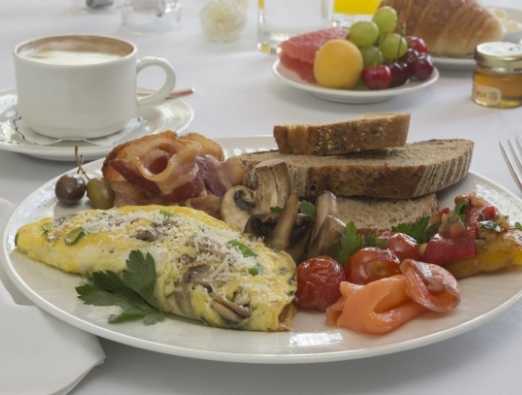
Looking for a place to begin your morning in luxury and style? Look no further than the American Colony Hotel, which offers...
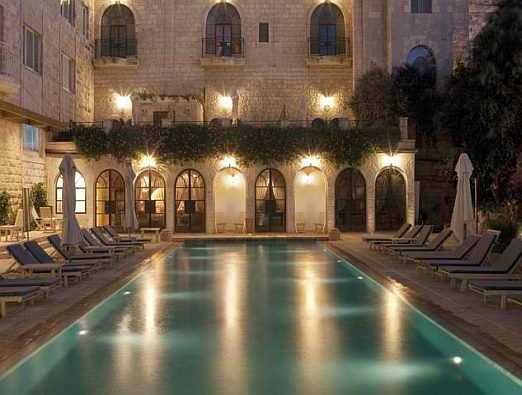
Jerusalem, the city where kings ruled and sultans sat is no stranger to luxury. Today, even the visiting yeoman can find...
Jewish tradition holds that in the times of the First and Second Temples, all the Jewish people would gather in Jerusalem...
Technically, it's possible to visit Jerusalem without going to the Old City, but it would be hard to say you'd...
Looking for a place to begin your morning in luxury and style? Look no further than the American Colony Hotel, which offers...

The faithful may rhapsodize about the spiritual highs to be reached in the Old City; culture cognoscenti groove on the...

Once upon a time, options for eating out in Jerusalem were limited to local common phenomena such as falafel and schwarma,...
No results to show








|
Text text text
|
||