We are very sorry about this!
It seems the page you are looking for is not loading properly or has been changed to another URL
Please find below links to our main categories, where you can start your GoJerusalem journey again:
GoJerusalem homepage
Jerusalem hotels
Jerusalem restaurants
Jerusalem attractions
Jerusalem tours
Jerusalem events
Jerusalem city guide
p.s, if you are willing to send us an email and report this problem, we'll appreciate that eternally

2000+ tips and recommendations
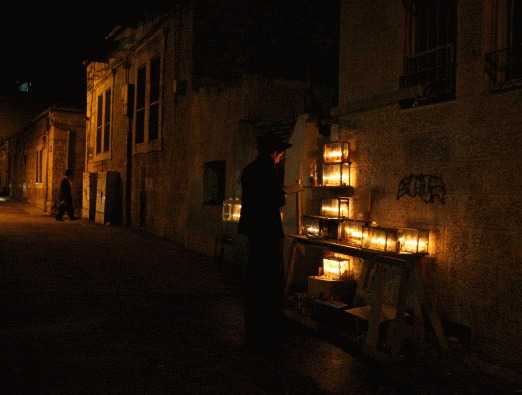
Alright, we'll be the first to admit it. Jerusalem's often chilly and often damp winters don't exactly exude...
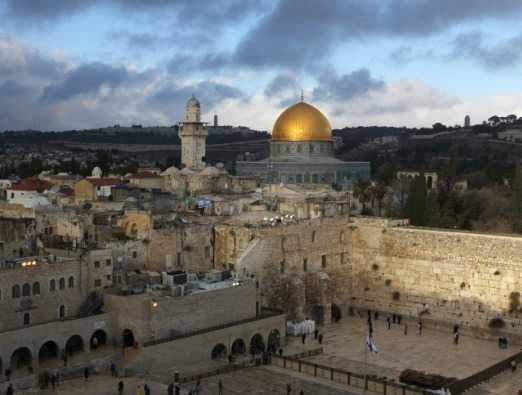
In a region known for being one of the first in which early humans settled after leaving Africa, and in a city populated...

Looking for a place to begin your morning in luxury and style? Look no further than the American Colony Hotel, which offers...
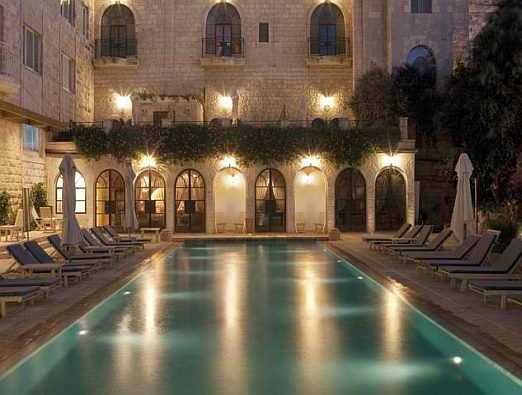
Jerusalem, the city where kings ruled and sultans sat is no stranger to luxury. Today, even the visiting yeoman can find...
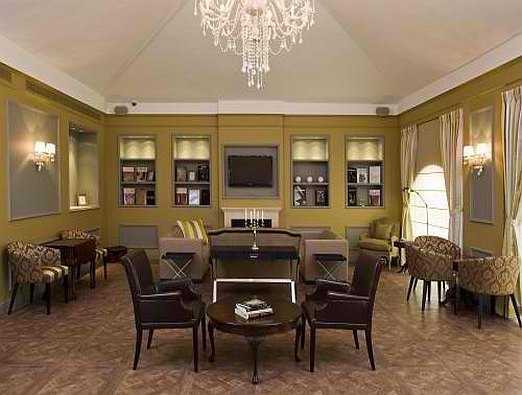
Jewish tradition holds that in the times of the First and Second Temples, all the Jewish people would gather in Jerusalem...
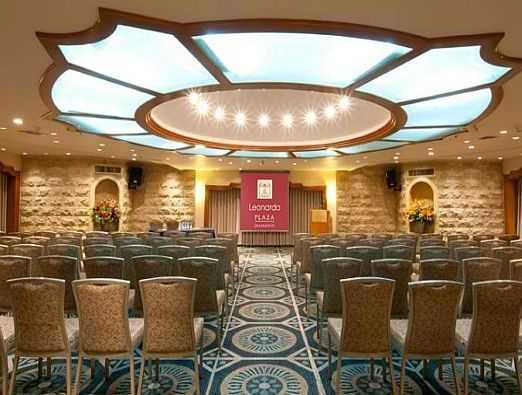
Technically, it's possible to visit Jerusalem without going to the Old City, but it would be hard to say you'd...
Looking for a place to begin your morning in luxury and style? Look no further than the American Colony Hotel, which offers...

The faithful may rhapsodize about the spiritual highs to be reached in the Old City; culture cognoscenti groove on the...

Once upon a time, options for eating out in Jerusalem were limited to local common phenomena such as falafel and schwarma,...
No results to show

Ask the experts 25,000 pages to help plan your ideal vacation
Instant Online booking Hotels, attractions, performances and more
Privacy and confidentiality guaranteed Book with top suppliers to keep your personal information safe
We're always there for you We go above and beyond to guarantee customer satisfaction
Any questions? Send us an email 24/7
Enjoy Jerusalem!It's truly an experience of a lifetime
Welcome to GoJerusalem.com, the internet's premier location for booking your Jerusalem travel and entertainment experiences, and for exploring the city's many spiritual and historical facets.
Save money and time when booking Jerusalem hotels, Jerusalem tours, Israel tours, tickets to events and attractions with GoJerusalem.com, and enjoy unlimited use of our phone-based concierge service for real-time advice from our team of experts.
We welcome you to explore our comprehensive Jerusalem restaurant guide, where you will find reviews and details for hundreds upon hundreds of restaurants, organized by cuisine style and neighborhood.
Jerusalem is a staggeringly vibrant city, bursting with cultural institutions which offer concerts, art exhibits, lectures and performances. For the latest Jerusalem events, be sure to check out our events calendar, where hundreds of new entries are published throughout the week, every week.
Whether you are looking for hotels in Jerusalem, events, attractions, restaurants or tours, there is no greater resource on the internet, or in print, than GoJerusalem.com, and our sister website in Hebrew, GoJerusalem.co.il.






|
Text text text
|
||