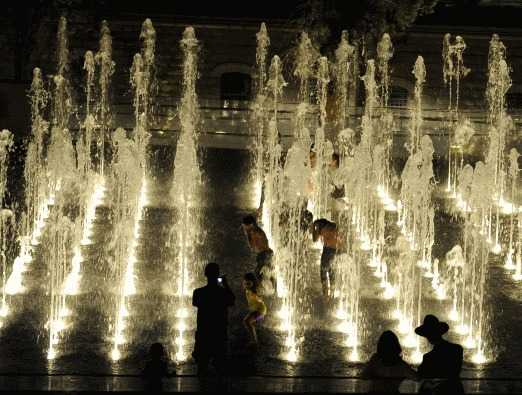
The Nine Days: A Countdown of Mourning

On Rosh Chodesh Av—the first day of the month of Av—the countdown to the ninth of Av, Tisha B’Av, officially begins. During these nine days, religious Jews engage in mourning customs that are strictly enforced within the community. Attached to these mourning customs is an aura of repentance, because religious Jews believe that it was the sins of their ancestors that led to the Temple’s destruction. Furthermore, it is a common Jewish belief that every generation that does not merit the Messiah and the rebuilding of the Temple is a sinful generation.
The Nine Days are regarded by many as a time of darkness, when the wrath of God is most perilous in the world. For this reason, religious Jews try not to undertake risky activities during this period, such as air travel or surgical procedures. Pleasurable activities such as swimming, listening to music, and going to the movies are altogether forbidden.
2000+ tips and recommendations
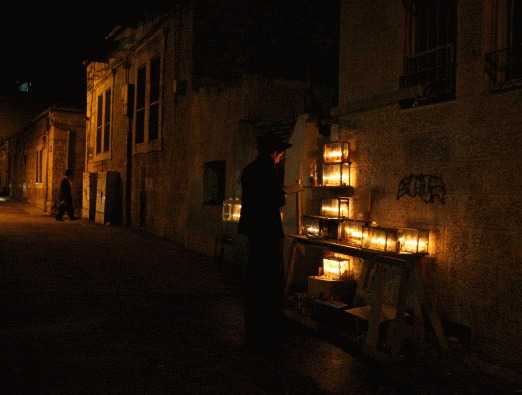
Alright, we'll be the first to admit it. Jerusalem's often chilly and often damp winters don't exactly exude...
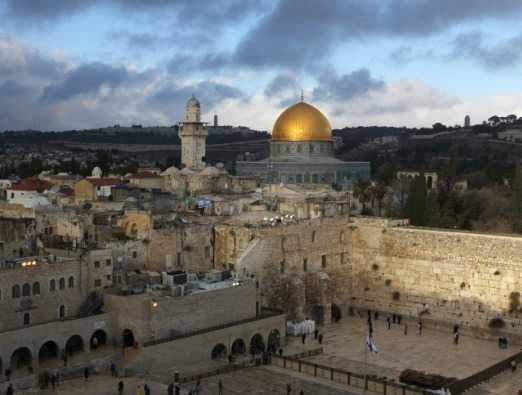
In a region known for being one of the first in which early humans settled after leaving Africa, and in a city populated...
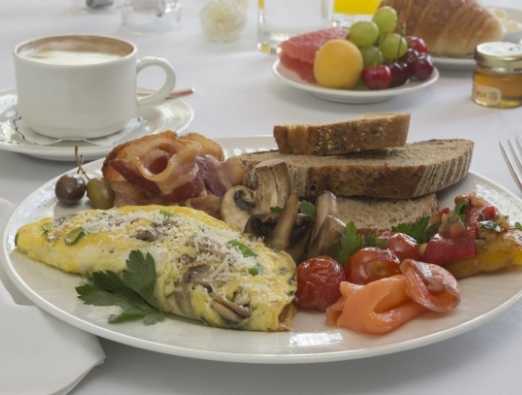
Looking for a place to begin your morning in luxury and style? Look no further than the American Colony Hotel, which offers...
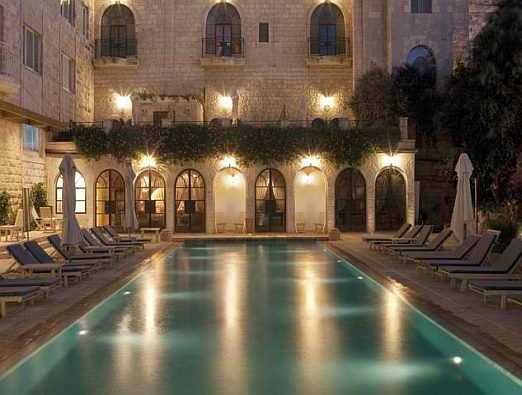
Jerusalem, the city where kings ruled and sultans sat is no stranger to luxury. Today, even the visiting yeoman can find...

Jewish tradition holds that in the times of the First and Second Temples, all the Jewish people would gather in Jerusalem...
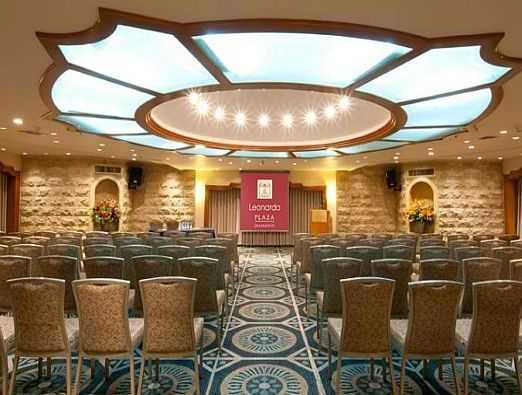
Technically, it's possible to visit Jerusalem without going to the Old City, but it would be hard to say you'd...
Looking for a place to begin your morning in luxury and style? Look no further than the American Colony Hotel, which offers...
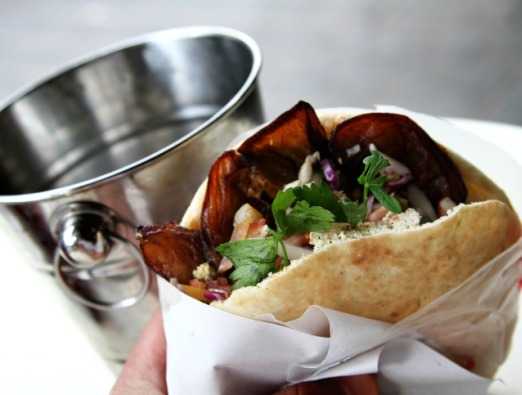
The faithful may rhapsodize about the spiritual highs to be reached in the Old City; culture cognoscenti groove on the...

Once upon a time, options for eating out in Jerusalem were limited to local common phenomena such as falafel and schwarma,...
No results to show








|
Text text text
|
||