Flavius Josephus: Hated By Some, Studied By All

Josephus lived from 37 A.D. to about 100 A.D. A highly educated man, Josephus was descended from a line of priestly aristocrats. Service to the Holy Temple in Jerusalem was in his heritage. He was also a warrior, leading a contingent of Galilean soldiers in the battle against Rome. In the city of Jotpata his army was defeated, and Josephus and one other soldier surrendered to the Romans. The rest of their comrades had committed suicide.
This particular moment in life of Josephus is controversial. According to a legend—the truth of which is unknown—Josephus wanted to surrender to Rome, but his soldiers opposed him. Josephus therefore encouraged them to commit suicide, assuring them that he would do the same. But he did not, and escaped with one other soldier into Roman hands.
In “The Jewish War,” Josephus claims that Titus did not order the destruction of the Holy Temple in Jerusalem. This claim and others earned him a reputation among Jews for being pro-Roman. But Josephus also wrote “Apion,” a text in which he defends Judaism, blaming the war against Rome on the work of a handful of fanatical zealots.
Josephus was eyewitness to the fateful siege of Jerusalem, the war in which the Holy City would cease to be a Jewish city for the next 2,000 years. This climactic battle is mourned by Jews to this day, and is remembered as the war that forced the Jewish people into a long exile.
2000+ tips and recommendations
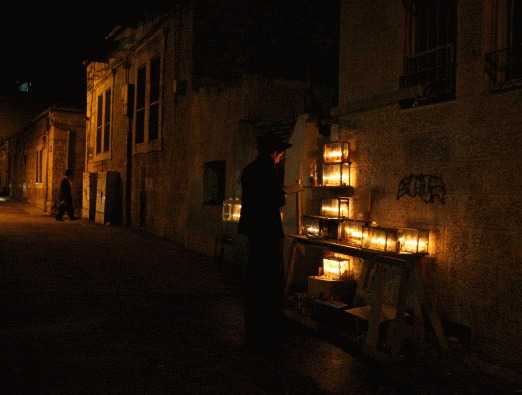
Alright, we'll be the first to admit it. Jerusalem's often chilly and often damp winters don't exactly exude...

In a region known for being one of the first in which early humans settled after leaving Africa, and in a city populated...

Looking for a place to begin your morning in luxury and style? Look no further than the American Colony Hotel, which offers...
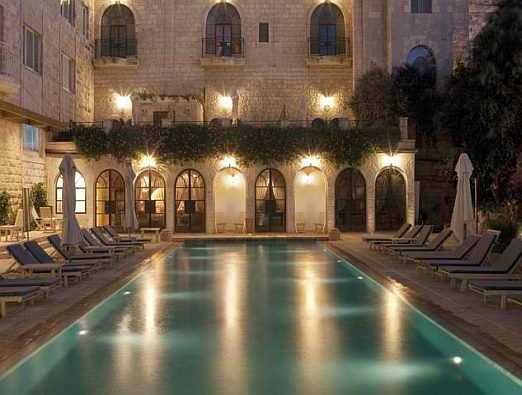
Jerusalem, the city where kings ruled and sultans sat is no stranger to luxury. Today, even the visiting yeoman can find...

Jewish tradition holds that in the times of the First and Second Temples, all the Jewish people would gather in Jerusalem...
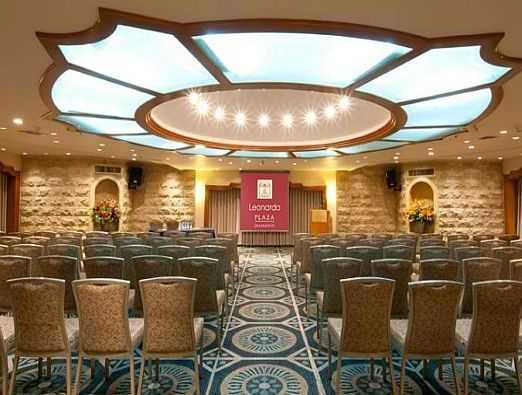
Technically, it's possible to visit Jerusalem without going to the Old City, but it would be hard to say you'd...
Looking for a place to begin your morning in luxury and style? Look no further than the American Colony Hotel, which offers...

The faithful may rhapsodize about the spiritual highs to be reached in the Old City; culture cognoscenti groove on the...

Once upon a time, options for eating out in Jerusalem were limited to local common phenomena such as falafel and schwarma,...
No results to show








|
Text text text
|
||