The Islamic New Year
In Islam, the new year is not celebrated, nor is it regarded as significant as the high holidays of Eid ul-Adha and Eid ul-Fitr. But the Islamic New Year does mark the day that Mohammed established the first Islamic state in the city of Medina (formerly called Yathrib), and it is the start of one of the most important months in the Muslim calendar.
The first month of the Islamic calendar (called the Hijrah) is Muharram, the second-most important month in Islam. Muharram is second only to the month of Ramadan, the month that precedes that major festivals, and in which it is customary to fast during the daylight hours every day.
Mohammed migrated from Mecca to Medina in 622 A.D., an event that is now referred to as the Hijrah and signifies the start of the Muslim calendar. Therefore Islamic New Year marks the time that Islam became a community with its own state and its own calendar. It is therefore considered a time of birth and renewal, with some people making New Year Resolutions at this time.
Because the month of Muharram is considered sacred, some Muslims voluntarily fast during the daylight hours of the days of this month, even though fasting is not mandatory. It is also one of the four months of the Muslim calendar in which fighting is not permitted. The tenth day of Muharram, Yaum l’Ashura, is an optional fast day as well.
The Muslim calendar and times are calculated based on sightings of the crescent moon, creating a calendar that is entirely lunar in its system. Consequently the days of the Muslim calendar can vary dramatically in comparison to the days of the Gregorian calendar, and also vary by season.
2000+ tips and recommendations
Alright, we'll be the first to admit it. Jerusalem's often chilly and often damp winters don't exactly exude...
In a region known for being one of the first in which early humans settled after leaving Africa, and in a city populated...

Looking for a place to begin your morning in luxury and style? Look no further than the American Colony Hotel, which offers...
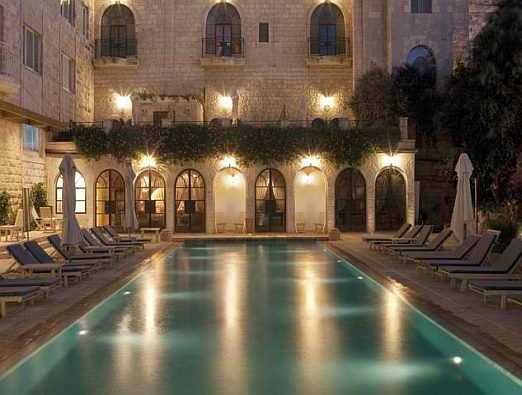
Jerusalem, the city where kings ruled and sultans sat is no stranger to luxury. Today, even the visiting yeoman can find...
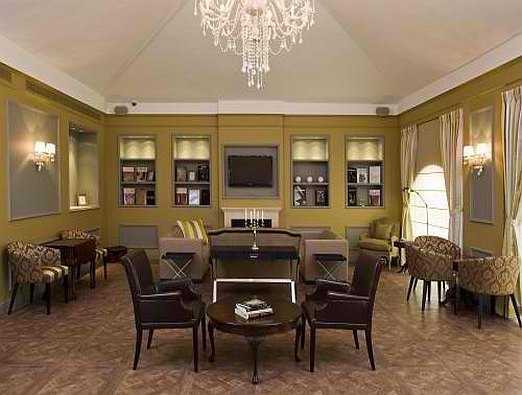
Jewish tradition holds that in the times of the First and Second Temples, all the Jewish people would gather in Jerusalem...
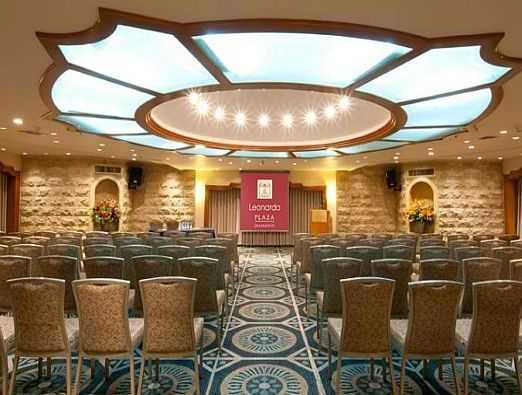
Technically, it's possible to visit Jerusalem without going to the Old City, but it would be hard to say you'd...
Looking for a place to begin your morning in luxury and style? Look no further than the American Colony Hotel, which offers...

The faithful may rhapsodize about the spiritual highs to be reached in the Old City; culture cognoscenti groove on the...

Once upon a time, options for eating out in Jerusalem were limited to local common phenomena such as falafel and schwarma,...
No results to show








|
Text text text
|
||