The Eid Al-Adha Holiday
Contrary to the beliefs of Jews and Christians, Muslims believe that the son whom Ibrahim nearly sacrificed was not Isaac, but the elder son Ishmael. The partnership of Ibrahim and Ishmael was a cornerstone of Islam, as they are believed to have constructed the Kaaba, a sacred stone monument which is the focal point of the Hajj.
The feast of Eid Al-Adha involves slaughtering a sheep or a goat, in commemoration of the ram that was sacrificed in place of Ibrahim’s son. A feast is cooked from the meat of the sacrifice. Charity is a key element of Eid Al-Adha—the poor are provided for so that they can partake in the holiday feast.
The sacrifice of of Eid Al-Adha is of high importance; the animal must therefore fit certain requirements to be fit for sacrifice. The Koran dictates that the sacrifice, or the “udhiya,” be pided into three parts: one for the poor, one for relatives, and one for oneself. It is considered ideal to sacrifice the best of one’s livestock for the festival.
Jerusalem is awash with preparations for the holiday well in advance. Cookies with dates and nuts are a favorite in every household, as part of the festivities, and they are specially baked for the occasion.
On the day of Eid Al-Adha, Muslims attire themselves in their best clothes and attend the Eid prayers in the mosque. The prayers are followed by the feast, in which the sacrificial animals are cooked and eaten by all the people.
2000+ tips and recommendations
Alright, we'll be the first to admit it. Jerusalem's often chilly and often damp winters don't exactly exude...
In a region known for being one of the first in which early humans settled after leaving Africa, and in a city populated...
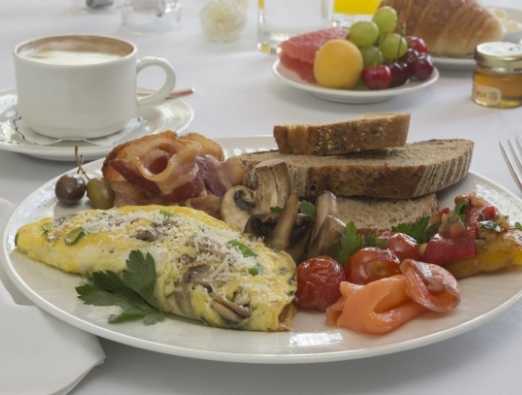
Looking for a place to begin your morning in luxury and style? Look no further than the American Colony Hotel, which offers...
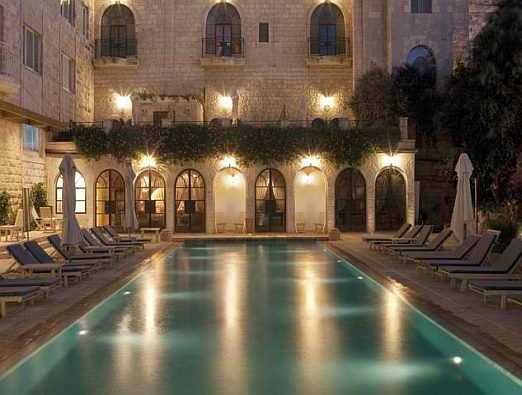
Jerusalem, the city where kings ruled and sultans sat is no stranger to luxury. Today, even the visiting yeoman can find...
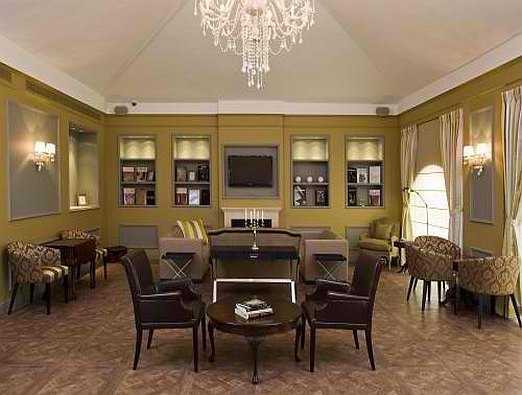
Jewish tradition holds that in the times of the First and Second Temples, all the Jewish people would gather in Jerusalem...
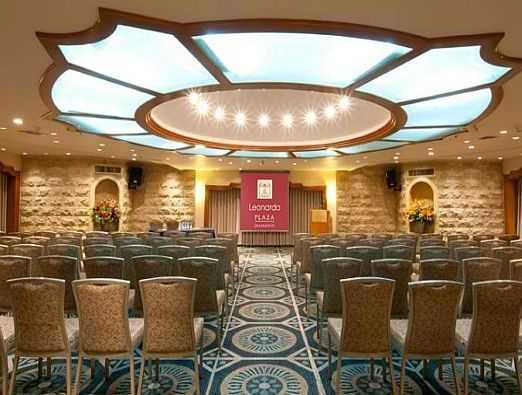
Technically, it's possible to visit Jerusalem without going to the Old City, but it would be hard to say you'd...
Looking for a place to begin your morning in luxury and style? Look no further than the American Colony Hotel, which offers...

The faithful may rhapsodize about the spiritual highs to be reached in the Old City; culture cognoscenti groove on the...
Once upon a time, options for eating out in Jerusalem were limited to local common phenomena such as falafel and schwarma,...
No results to show








|
Text text text
|
||